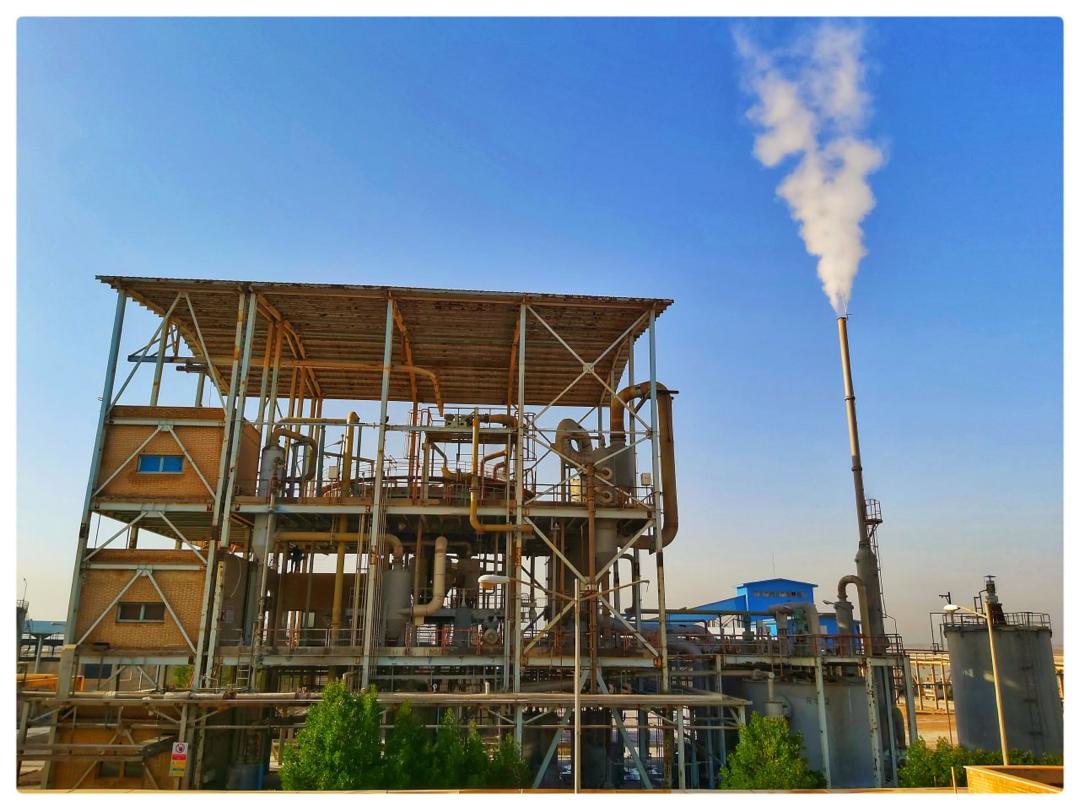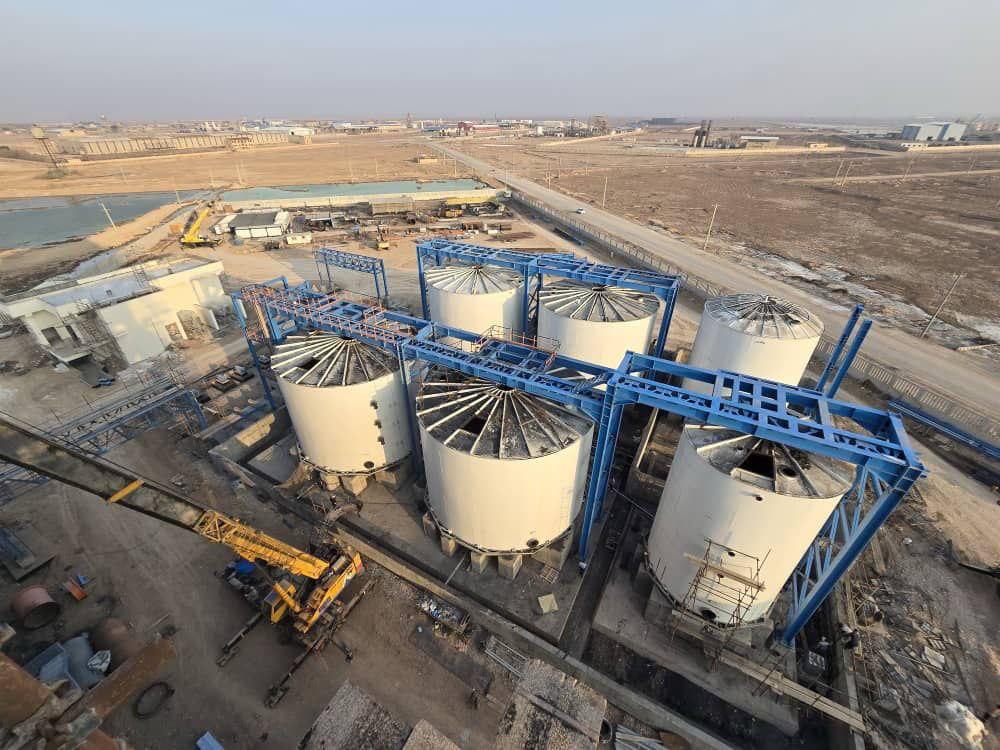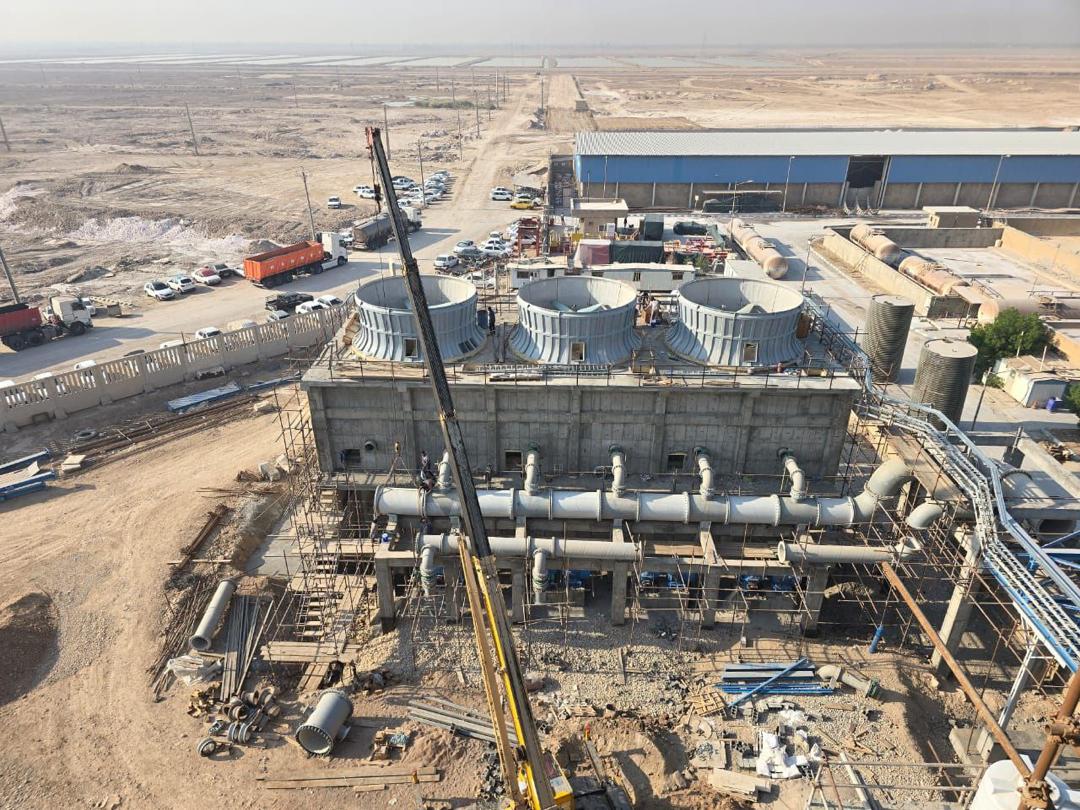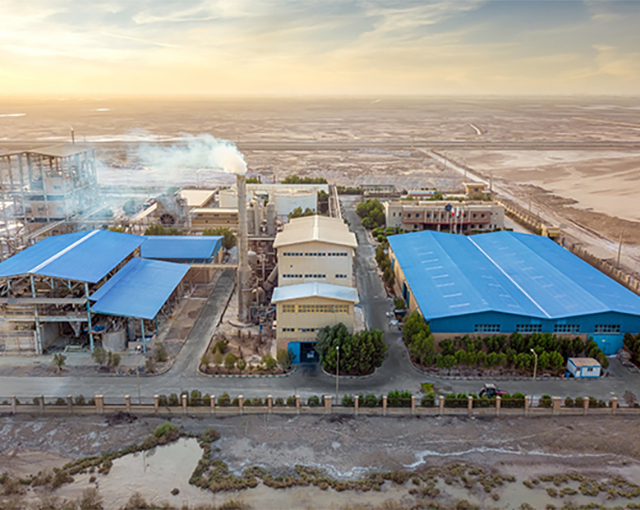
Karun Phosphate Products Complex Company (Abadan) is fully owned by Parsian Chemical Industries Holding in line with the aspirations of self-sufficiency and development of industrial capacities and with the aim of supplying raw materials for downstream industries required by domestic and foreign markets in Khuzestan Province, Abadan Free Zone, Industrial Town 1, Phase 3 in 2004 and was put into operation in 2014 under the license and engineering of ECEC China Company. This company was established on a land area of 16 hectares to establish the production of phosphoric acid and its downstream products including sodium tripolyphosphate, monoammonium phosphate and diammonium phosphate. This company has currently created jobs for 300 people directly and 400 people indirectly in the deprived area of Abadan and intends to increase employment capacity after the end of the development plan.
This company is the only producer of tripolyphosphate (STPP) in Iran and the Middle East, which is used in detergent industries for degreasing and in ceramic tile industries for thickening ceramic tile glaze. The nominal capacity of sodium tripolyphosphate production in this unit is 50,000 tons, which with the efforts of the company’s internal engineers was able to reach the production of 18,000 tons of STPP in 1403. Also, in the process of producing phosphoric acid, phosphogypsum plaster is produced as a by-product, which can be used as a fertilizer containing calcium-sulfide-phosphate in agricultural fields.
The country’s annual consumption of STPP is about 20,000 tons, and it is possible to export the excess STPP produced by this factory. Last year, this company exported STPP to countries such as India, Turkey, and Iraq, and has the ability to compete with foreign products.
Production process:
First, phosphate soil is mixed with water. The resulting slurry then reacts with sulfuric acid, which turns into 26% dilute phosphoric acid. This unit uses the country’s surplus sulfuric acid, which improves the country’s environmental conditions.
The resulting dilute phosphoric acid then reacts with caustic soda (NAOH) to produce STPP.
Development plan:
The company plans to produce 52% phosphoric acid with a capacity of 100,000 tons (52% P2O5) by the end of 1404 through a $10 million project by constructing a concentrated phosphoric acid concentration unit with the help of Serbian engineers. The acid produced can be used to produce 80,000 tons of monoammonium phosphate (MAP) or 80,000 tons of diammonium phosphate (DAP).
Vision: Supplying phosphate fertilizers to the country
For more information, please visit http://phosphate.karoonpc.com/.